Hedge pruning near Scadbury Park Mottingham trusted gardeners: a practical guide for neat, healthy boundaries
If you are looking for hedge pruning near Scadbury Park Mottingham trusted gardeners, you are probably after more than a quick tidy-up. You want hedges that look sharp from the pavement, stay healthy through the seasons, and do not become a frustrating, overgrown job every few months. Fair enough. A well-pruned hedge can transform the feel of a front garden or back boundary, and the wrong cut can leave it thin, stressed, or lopsided for ages.
This guide breaks down what hedge pruning involves, why it matters around homes near Scadbury Park and wider Mottingham, how the work is typically carried out, and what to look for when choosing a gardener you can trust. It also covers common mistakes, practical checklists, local best-practice considerations, and how hedge pruning can sit alongside services like hedge trimming, garden maintenance, and even broader landscaping work if your garden needs a bigger reset.
Let's face it: hedges are one of those things that look effortless when they are well managed. When they are not, they shout at you every time you open the curtains.
Table of Contents
- Why Hedge pruning near Scadbury Park Mottingham trusted gardeners Matters
- How Hedge pruning near Scadbury Park Mottingham trusted gardeners Works
- Key Benefits and Practical Advantages
- Who This Is For and When It Makes Sense
- Step-by-Step Guidance
- Expert Tips for Better Results
- Common Mistakes to Avoid
- Tools, Resources and Recommendations
- Law, Compliance, Standards, or Best Practice
- Options, Methods, or Comparison Table
- Case Study or Real-World Example
- Practical Checklist
- Conclusion
- Frequently Asked Questions
Why Hedge pruning near Scadbury Park Mottingham trusted gardeners Matters
Hedge pruning is not just about keeping things tidy, although that is obviously part of it. Done properly, it supports plant health, keeps growth dense rather than patchy, and helps your garden feel maintained rather than left to its own devices. In a local area like Mottingham, where many gardens are used every day and boundaries matter for privacy, hedges often do double duty: they are both a visual feature and a practical screen.
Near Scadbury Park, gardens can pick up a bit of shelter, shade, and seasonal variation from surrounding trees and open spaces. That means hedge growth can behave differently from one side of a property to another. Some sections may thicken quickly; others may go woody or sparse if they have been clipped too hard for too long. A trusted gardener notices that balance. They do not just cut. They read the hedge.
That matters because different hedge types respond differently to pruning. A fast-growing leylandii-style hedge needs a very different approach from yew, beech, laurel, or privet. The wrong timing or angle can leave brown patches, encourage weak regrowth, or create a hedge that is neat for a week and then awkward for months. Nobody wants that. Not after spending good money, anyway.
There is also the simple matter of kerb appeal. A clean, evenly pruned hedge makes a property look cared for. It frames paths, drives, and borders. It can make an older garden feel ordered without stripping away its character. That is a pretty big return for a service many people put off until the hedge is practically negotiating with the neighbours over the boundary line.
How Hedge pruning near Scadbury Park Mottingham trusted gardeners Works
Good hedge pruning starts before a single branch is cut. A proper gardener will inspect the hedge type, height, width, density, and overall condition. They will look for signs of dead wood, disease, nesting birds, awkward overhang, and previous poor pruning cuts. In practical terms, they are working out what the hedge needs to recover well, not just what it needs to look neat today.
The process usually includes a few clear stages:
- Initial assessment: checking species, access, safety risks, and the client's preferred finish.
- Setting the shape: deciding whether the hedge should be squared, tapered, rounded, or reduced in height.
- Pruning and trimming: removing excess growth with the right tools and technique.
- Clearing up: collecting arisings, bagging waste, and making the area usable again.
- Aftercare advice: explaining when the hedge may need a follow-up cut or a lighter maintenance trim.
For many hedges, the most effective shape is slightly wider at the bottom and narrower at the top. That sounds simple, but it is one of the best ways to let lower growth receive enough light. If the base is too shaded, the hedge can become thin near the ground, which is not ideal when you want a proper screen.
Trusted gardeners also know that pruning is not always the same as trimming. Trimming is the regular, lighter tidy-up. Pruning can involve more considered structural cuts, especially where the hedge has become overextended or woody. If a hedge is badly neglected, a gentler reduction may be needed over more than one visit. That can be a bit less exciting than a dramatic chop, but it is usually much better for the plant.
Key Benefits and Practical Advantages
There is a lot to like about scheduled hedge care, and the benefits are both visual and practical. The main advantage is control. Once a hedge is left for too long, it can take on a life of its own. You get uneven growth, hard-to-reach tops, and a job that becomes heavier, messier, and more expensive than it needed to be.
- Cleaner appearance: formal or informal hedges look deliberate rather than wild.
- Healthier growth: careful pruning encourages denser foliage and reduces dead sections.
- Better light: keeping the right shape helps lower branches stay active.
- Improved privacy: a dense hedge does what a hedge should do.
- Safer access: paths, driveways, gates, and sightlines stay clear.
- Less future work: regular maintenance is usually easier than major recovery work.
There is another advantage that gets overlooked: peace of mind. If your hedge sits close to a shared fence, front pavement, or side return, regular pruning reduces the chance of disputes about encroachment. It also cuts down on the sort of everyday irritation that builds up when branches keep brushing shoulders, blocking a bin area, or scraping a window every windy evening.
And yes, it can help the whole garden feel calmer. A neat hedge creates structure. It gives the eye somewhere to rest. That sounds a little grand, perhaps, but spend time in a garden after a proper cut and you will notice the difference straight away.
Who This Is For and When It Makes Sense
This service makes sense for homeowners, landlords, letting agents, and anyone who wants hedges managed in a reliable, recurring way. It is especially useful if you have a front hedge that affects street view, a boundary hedge shared with neighbours, or mature planting that has started to dominate the garden.
You might need hedge pruning if:
- the hedge has outgrown its space;
- branches are blocking paths, windows, or gates;
- the hedge is becoming leggy at the base;
- the top has been cut too flat for too long and looks stressed;
- you want to prepare the garden for a sale or tenancy inspection;
- you are combining hedge care with lawn mowing or a wider tidy-up;
- the rest of the garden is due for a seasonal refresh through garden maintenance.
It also makes sense when you simply do not have the time, equipment, or appetite for the job. Hedge work can be awkward. One minute you are trimming a neat corner, the next you are balancing on a ladder, holding a branch, and wondering why you thought Saturday was a good day for this. Sometimes calling in a trusted gardener is just the sensible thing.
If your hedge is part of a broader redesign, you may also want to consider landscape gardening or services overview information to see how pruning fits with the rest of the garden plan.
Step-by-Step Guidance
If you want to understand what a quality hedge pruning visit should look like, this simple step-by-step breakdown helps.
- Walk the hedge from end to end. A good gardener will check both sides where possible. They look for uneven growth, hidden dead stems, and any areas needing lighter treatment.
- Agree the desired finish. Do you want a formal straight edge, a softer natural line, or a height reduction? Be specific if you can.
- Protect nearby surfaces. Paths, decking, planting beds, and ornaments may need covering or careful positioning before work begins.
- Cut in stages. The best results usually come from taking small amounts, checking the line, and adjusting as the shape develops.
- Step back and assess. This is where experience matters. A good eye catches wobble and imbalance early.
- Clear debris thoroughly. Hedge cuttings can be surprisingly slippery underfoot. Leaves, twigs, and clippings should be removed rather than swept into corners.
- Finish with a health check. The gardener should notice if the hedge needs feeding, watering, or a gentler future schedule.
A useful rule of thumb: if the hedge is wildly overgrown, the first session is often about restoration rather than perfection. The hedge may need time to settle into a better shape. That is normal. Better to guide it than bully it.
Expert Tips for Better Results
Here is where the small details pay off. You do not need to be a horticulturist to get decent hedge results, but a few habits make a big difference.
- Trim regularly rather than aggressively. Light, consistent cuts usually produce denser growth than one hard yearly hack.
- Keep the base slightly wider. This helps light reach the lower sections and prevents a bare bottom.
- Do not remove too much at once. If a hedge has been left alone, heavy pruning should be planned carefully.
- Use the right season for the species. Some hedges tolerate flexible timing better than others. A local gardener should know the difference.
- Watch for nesting birds. In the UK, this is one of those things that sounds obvious until you are midway through the job. Then it matters a lot.
- Pair hedge work with other tasks. A hedge cut is often more effective when the rest of the garden is also under control.
One small but important tip: if a hedge looks tired after pruning, give it a little breathing room. Fresh cut growth can look sparse for a short while, especially on older hedges. That does not always mean the job was wrong. Sometimes it just means the plant needs a season to recover its confidence.
And if you are unsure whether a hedge should be pruned back, reshaped, or left alone for a while, ask. A trusted gardener should be happy to explain the options in plain English, not with a lot of jargon and shrugging. Nobody needs that.
Common Mistakes to Avoid
A lot of hedge problems are caused by perfectly understandable mistakes. People wait too long, cut too much, or use blunt tools. The result is usually the same: a hedge that looks messy and grows back awkwardly.
- Cutting too hard in one go: this can expose bare stems and weaken recovery.
- Flattening the top without shaping the sides: the hedge may become top-heavy and thin below.
- Ignoring access issues: awkward corners, uneven ground, and overhead obstacles can create sloppy work if not planned for.
- Using the wrong season: certain hedges respond badly to pruning at the wrong time of year.
- Leaving the waste behind: clippings left at the base can smother smaller plants and make the garden feel unfinished.
- Assuming all hedges are the same: they are not. Not even close.
There is also the neighbour factor. If your hedge forms a shared boundary, it is wise to think about timing, access, and courtesy before work begins. A quick conversation can prevent a lot of avoidable friction. Simple, really, but often missed.
Tools, Resources and Recommendations
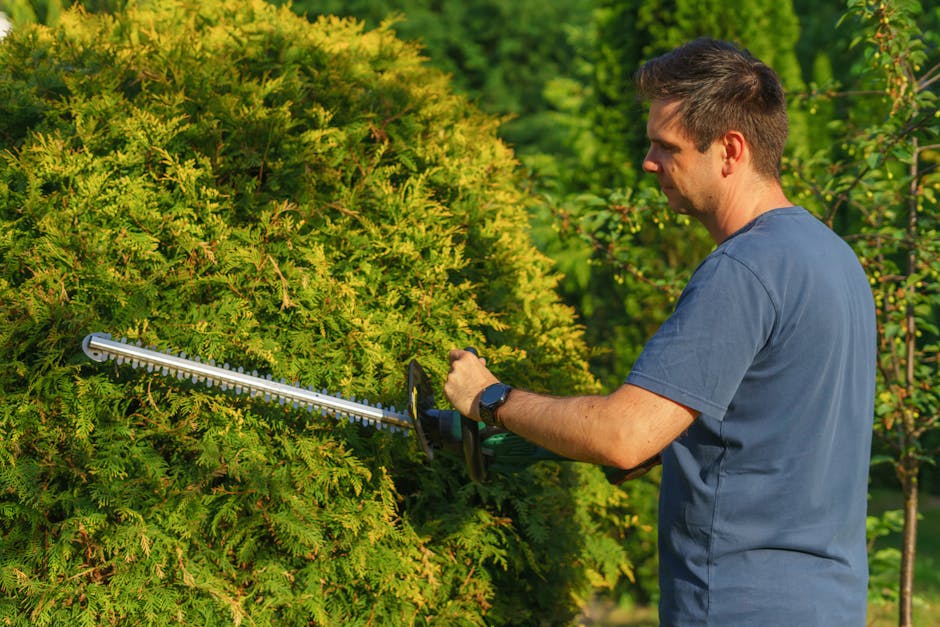
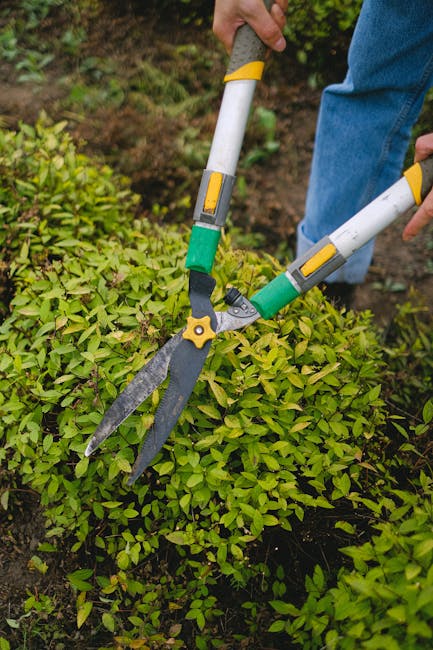
Professional hedge pruning usually depends on a mix of hand tools and powered equipment, chosen according to hedge size, density, and access. The point is not to make noise for the sake of it. The point is to make crisp, controlled cuts while keeping the work safe and efficient.
| Tool or resource | Best use | Why it matters |
|---|---|---|
| Hand shears | Small finishing work and delicate shaping | Useful for accuracy around detailed edges |
| Hedge trimmer | Regular trimming and larger hedge faces | Saves time and creates a uniform finish |
| Sturdy ladder or platform | Upper sections and taller hedges | Stability is essential; balance matters more than bravado |
| Tarpaulin or ground sheets | Catch clippings and protect beds | Makes clean-up much easier |
| Waste bags or collection bins | Removing arisings responsibly | Keeps the site tidy and manageable |
If you are looking for a broader service package, a good place to start is the pricing and quotes page. It can help you compare what is included, especially if hedge pruning is part of a bigger maintenance visit.
You may also find it useful to review insurance and safety and health and safety policy information if you want reassurance about how a professional team approaches risk. For some people, that matters as much as the finish itself.
If sustainability matters to you, ask how green waste is handled and whether the team follows sensible recycling or composting practices. A garden job should not end with avoidable waste. There is no glamour in a tidy hedge and a messy disposal trail.
Law, Compliance, Standards, or Best Practice
Hedge pruning is not usually a heavily regulated service in the way some trades are, but there are still important UK best-practice considerations. A trustworthy gardener will work with common-sense safety, respect property boundaries, and avoid damaging plants, buildings, fences, or public pathways.
In practice, that means a few things:
- Bird nesting awareness: hedge work should be paused or adjusted if nesting birds are present. This is a serious consideration, not a box-ticking exercise.
- Safe working at height: tall hedges require proper access methods and caution.
- Property access and consent: any work affecting shared boundaries or neighbour sides should be handled carefully and courteously.
- Waste handling: arisings should be removed responsibly, not dumped in a corner and forgotten.
- Public safety: if work is close to pavements, drives, or entrances, visibility and tidiness matter.
Best practice also means being honest about what can be achieved in one visit. A gardener who promises to make a badly neglected hedge perfect in a single afternoon may be selling confidence rather than competence. Sometimes the more trustworthy answer is, "We can improve it a lot, then bring it into shape over the next cycle." That is a good sign.
If you want a provider that takes these duties seriously, it is worth reading the company's about us and related policy pages, including complaints procedure and modern slavery statement. These pages do not cut the hedge for you, obviously, but they do say something about how the business is run.
Options, Methods, or Comparison Table
Not every hedge needs the same approach. The right method depends on the hedge's condition, your goals, and how quickly it grows back. Here is a simple comparison that helps narrow it down.
| Method | Best for | Pros | Watch-outs |
|---|---|---|---|
| Light trimming | Healthy hedges kept on a regular schedule | Neat finish, low stress on the plant, quick turnaround | Needs repeating more often |
| Structural pruning | Overgrown or misshapen hedges | Improves form and reduces bulk over time | May take more than one visit |
| Height reduction | Hedges blocking light, views, or access | Restores usability and boundary balance | Can expose thin sections if done too severely |
| Selective thinning | Dense hedges that are healthy but too tight | Improves airflow and shape control | Needs judgement to avoid over-thinning |
For many households, the best answer is a blend: a stronger shaping cut now, followed by lighter maintenance trims. That rhythm keeps the hedge manageable without shocking it. It is a bit like staying on top of washing up rather than facing a sink full of regret.
Case Study or Real-World Example
Here is a realistic example from the kind of garden many people in Mottingham recognise. A front boundary hedge had not been properly managed for a couple of seasons. It had started to lean toward the pavement, blocked part of the walkway, and looked thicker at the top than at the base. The homeowner wanted privacy, but they also wanted to stop the garden from feeling closed in.
The first visit focused on restoring shape rather than stripping the hedge back. The upper growth was reduced carefully, the sides were brought in line, and the base was left slightly wider to encourage light to reach lower branches. The cuttings were cleared away, the path was left tidy, and the hedge looked better straight away. Not perfect. Better. There is a difference.
After a further maintenance cycle, the hedge settled into a more even form and began to look fuller lower down. The homeowner also paired the job with a broader tidy-up through garden clearance after some overgrown clippings and old plant material had built up behind the border. That combination made the whole front space feel calmer and easier to look after.
The lesson is simple: a hedge rarely needs drama. It needs judgement, timing, and a consistent hand.
Practical Checklist
Before booking hedge pruning, or before the gardener arrives, this checklist can help you avoid last-minute confusion.
- Know which hedge areas need pruning and which can wait.
- Decide whether you want a tidy trim, a reshape, or a reduction in height.
- Check for access issues such as locked gates, narrow side passages, or fragile planting beds.
- Move cars, bins, and garden furniture if they will get in the way.
- Ask about waste removal and how cuttings will be handled.
- Tell the gardener about any shared boundary concerns.
- Check whether nearby decking, walls, or ornaments need protection.
- Think about whether the hedge work should be paired with lawn mowing or other seasonal upkeep.
- Review any safety or insurance information that helps you feel comfortable.
- Plan a follow-up schedule so the hedge does not drift back into chaos by autumn.
That last point is the one many people skip. Then six months later, the hedge is back, bigger than ever, looking smug. Best not to let it get ideas.
Get a free quote today and see how much you can save.
Conclusion
Hedge pruning near Scadbury Park Mottingham trusted gardeners is really about balancing appearance, plant health, and everyday practicality. A good hedge should support your garden, not run it. When it is pruned well, the whole space feels lighter, neater, and easier to enjoy. When it is left too long, it becomes one more job hanging over you.
If you are comparing local gardeners, look for clear communication, sensible timing, proper waste removal, and a calm, knowledgeable approach to the hedge itself. That combination matters more than flashy promises. Truth be told, the best work often looks straightforward because someone took the time to do it properly.
If you are ready to bring a hedge back under control, or simply want regular maintenance that keeps everything looking smart, the next step is easy: choose a trusted team, ask a few clear questions, and get the job scheduled before growth gets away from you again. A neat hedge on a mild morning can change the whole feel of home. It really can.
Frequently Asked Questions
What is the difference between hedge pruning and hedge trimming?
Hedge trimming is usually a lighter, more regular tidy-up to keep the hedge looking neat. Hedge pruning can involve more considered cuts, shaping, or reduction work, especially if the hedge is overgrown or uneven.
How often should a hedge be pruned near Scadbury Park Mottingham?
That depends on the hedge species and how formal you want it to look. Fast-growing hedges need more frequent attention, while slower-growing varieties may only need periodic shaping. A local gardener can advise based on the hedge's actual condition.
Can an overgrown hedge be brought back without damaging it?
Often yes, but it depends on the species and how neglected it is. In many cases, the safest approach is gradual improvement rather than a severe cut in one go. That gives the hedge a better chance to recover well.
What should I ask before booking hedge pruning?
Ask what type of pruning is needed, how waste will be removed, whether the gardener is insured, and whether the hedge is likely to need follow-up maintenance. Those questions usually tell you a lot about the level of care you can expect.
Does hedge pruning include clearing up the cuttings?
It should, yes. A professional service normally includes clearing the work area and removing the clippings unless agreed otherwise. A tidy finish is part of the job, not an extra thought at the end.
Is there a best time of year for hedge pruning?
It depends on the hedge type and what result you want. Some hedges tolerate pruning more flexibly than others. The safest answer is to match the timing to the plant rather than forcing every hedge into the same schedule.
Will pruning make my hedge thinner?
If it is done too hard, yes, it can. But careful pruning is usually designed to improve density over time, not reduce it. The aim is to keep the hedge healthy and balanced, especially near the base.
What if my hedge is near a pavement or shared boundary?
Then access, safety, and courtesy matter even more. A trusted gardener should manage the work carefully, keep the area safe, and discuss any boundary concerns before starting. Good communication saves headaches later.
Can hedge pruning be combined with other garden work?
Absolutely. Many people combine it with garden maintenance, lawn mowing, or broader tidy-up work so the whole garden gets back into shape in one visit.
How do I know if a gardener is trustworthy?
Look for clear explanations, realistic promises, sensible safety practices, and transparent information about pricing and policies. Trustworthy gardeners tend to be steady and specific rather than vague and overconfident.
Do all hedges need the same pruning method?
No, and this is where a lot of problems start. Different hedge types respond differently to pruning, so a one-size-fits-all approach can do more harm than good. The hedge should guide the method, not the other way round.
What is the main benefit of regular hedge pruning?
The biggest benefit is control. Regular pruning keeps hedges healthy, manageable, and attractive, which means less drastic work later. It also helps the whole garden feel more settled and easier to enjoy.
Can hedge pruning help with privacy?
Yes. A well-managed hedge usually provides better privacy than one that has become too thin, too tall, or badly shaped. Keeping the hedge dense and balanced is often the key.
If you want a garden that looks looked-after without becoming a constant battle, hedge care is one of those jobs worth getting right. A sensible cut now can save you a lot of bother later, and that is no bad thing at all.