Same day gardeners Mottingham fast emergency garden care
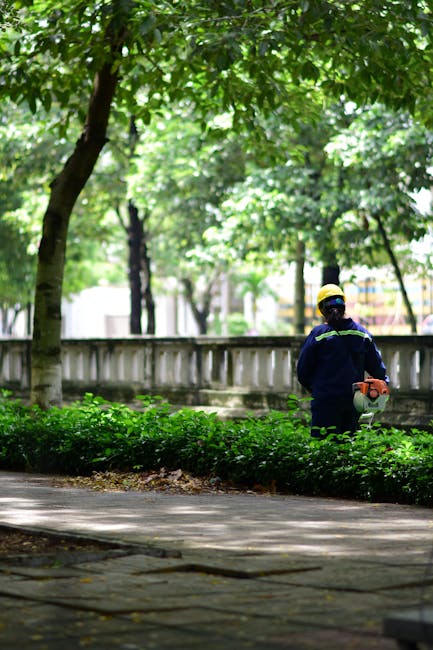
If your garden has gone from "slightly untidy" to "we need this sorted today," you are not alone. Storm damage, a fallen branch, an overgrown hedge blocking access, or a garden that's suddenly become unsafe can turn into a proper headache very quickly. Same day gardeners Mottingham fast emergency garden care is about getting a quick, practical response when waiting simply is not an option. It is the kind of service people call for when they need the mess cleared, the risk reduced, and the garden brought back under control without delay.
This guide explains what emergency garden care usually covers, how it works, what to expect on the day, and how to avoid the common mistakes that make a small problem worse. It also covers the best ways to prepare, how to compare options, and the sensible standards to look for when you need urgent help in Mottingham. Let's face it, when the wind has been rattling fences or the lawn is looking like a swamp by tea time, you want calm, clear answers, not waffle.
Why Same day gardeners Mottingham fast emergency garden care Matters
Urgent garden problems are rarely just cosmetic. A broken branch can block a path, a toppled fence panel can expose your boundary, and dense overgrowth can hide trip hazards or even prevent bins, deliveries, or visitors getting through. In a busy place like Mottingham, where homes often have front gardens, side access, and compact outdoor spaces, a delay can make the situation more awkward by the hour.
People often think of gardening as a slow, planned job. And most of the time it is. But emergency garden care is different. It is response-first. The goal is to stabilise the situation, make the space safe, and stop the issue getting worse. That may mean removing debris, cutting back dangerous growth, clearing blocked access, or dealing with a tree limb that has come down after bad weather.
There is also a practical comfort side to it. A garden in disarray can feel stressful every time you look out of the window. It nags at you. Emergency help gives you back a sense of control, which is oddly underrated until you really need it. Truth be told, that relief matters as much as the physical tidy-up.
If you want a wider view of what ongoing support can look like after the immediate problem is dealt with, it can help to review the services overview and the more regular garden maintenance options. That way, the emergency fix becomes a reset point, not just a temporary patch.
How Same day gardeners Mottingham fast emergency garden care Works
Fast emergency garden care normally starts with a quick assessment. You explain what has happened, where the damage is, and whether anything is unsafe. A good provider will ask focused questions: Is the area accessible? Is there fallen timber? Is the fence loose? Is a tree leaning? Can work begin immediately, or does it need prioritising around safety?
Then comes the visit. Same-day attendance usually means the team arrives with enough equipment to handle the most likely outcomes: cutting tools, clearance gear, gloves, protective equipment, and waste bags or loading equipment depending on the job. In many cases, the first task is making the area safe before any full tidy-up begins. That might sound obvious, but people sometimes expect a complete garden transformation in one go. Not always realistic. First comes safety, then structure, then the finish.
In a straightforward emergency, the sequence may be as simple as:
- Review the issue and confirm the priority.
- Secure the site and identify any hazards.
- Carry out the urgent cut-back, clearance, or removal.
- Load and remove waste where agreed.
- Check the area is usable and no obvious hazards remain.
For larger or more complex jobs, the first visit may be a stabilisation visit, followed by a planned return for full restoration. That is normal. A rushed "everything sorted in an hour" promise can be a red flag if the problem is substantial.
Key Benefits and Practical Advantages
The value of same-day emergency garden care is not just speed. Speed matters, yes, but it is the right speed that counts. A rushed, sloppy job can leave sharp edges, unstable branches, or hidden debris behind. The better outcome is fast and careful, not just fast.
- Safety restored quickly: Trip hazards, loose branches, and blocked access can be dealt with before someone gets hurt.
- Damage contained: Windblown debris, snapped fencing, or invasive growth can be prevented from spreading into a larger issue.
- Stress reduced: There is a big difference between staring at a mess all week and knowing it is being handled today.
- Useful for time-sensitive situations: Think end-of-tenancy inspections, visitors arriving, estate agent photos, or a family event that cannot be moved.
- Better first impression: If the front garden is untidy or obstructed, the whole property can feel out of shape.
One of the quieter advantages is that a quick visit can prevent avoidable escalation. A small branch issue can become a fence problem. A messy front garden can become a complaint from neighbours or a concern for visitors. It sounds dramatic, but sometimes a ten-minute delay turns into a bigger afternoon job. We have all seen that happen.
For follow-on work, some homeowners choose to combine emergency clearance with longer-term shaping or reworking. If that is where you are heading, the pages for garden clearance, hedge trimming, lawn mowing, and tree lopping and removal can help you think through the next stage once the immediate pressure is off.
Who This Is For and When It Makes Sense
Same-day gardeners are for anyone who needs a practical response fast, not just those with dramatic storm damage. The most common situations are a little more ordinary than that, actually.
- Homeowners with fallen branches, broken hedges, or sudden overgrowth blocking access
- Landlords preparing a property between tenancies
- Tenants trying to leave a garden in decent shape before check-out
- Older residents who need a safe, clear outdoor area without lifting anything heavy
- Families getting the garden ready for a gathering, barbecue, or weekend event
- Businesses or managed properties needing tidy external areas on short notice
It makes sense when the problem is time-sensitive, safety-related, or highly visible. If the issue is mostly cosmetic and not urgent, a planned booking may be more cost-effective. If a broken branch is hanging low over a gate, though, or the path is suddenly impassable, waiting is not smart. No one wants to discover that after someone twists an ankle. Not worth the risk.
If you are unsure whether the job needs immediate attention or can wait, a quick discussion with a trusted local team is often enough to separate urgent from non-urgent. That judgement call is one of the things a decent gardener does well.
Step-by-Step Guidance
If you are arranging emergency garden care for the first time, a simple process keeps things manageable. Here is the most sensible approach.
1. Identify the real problem
Before you call, look at the site calmly. What is actually wrong? Is it a tree limb, a fence panel, a hedge collapse, deep mud, heavy debris, or a garden full of waste? Being specific helps the team bring the right equipment and estimate the scope more accurately.
2. Check for immediate danger
If there is a tree leaning onto a structure, live wires, or any unstable element that could fall, keep clear and do not try to fix it yourself. Same-day garden care is helpful, but some hazards require careful handling. If something looks seriously unsafe, step back and explain the risk clearly when you request help.
3. Gather a few useful details
Note the access route, gate width, parking restrictions, and whether waste removal will be needed. In Mottingham, access can sometimes be tighter than people expect, especially where side passages are narrow or the garden is tucked behind the house. Small detail, big difference.
4. Ask what can be done today
Some jobs can be handled in full on the first visit. Others need a short-term safety fix first, then a proper follow-up. Ask directly what the same-day visit will achieve. That avoids disappointment and keeps expectations realistic.
5. Confirm what happens to the waste
Clippings, branches, and soil can add up quickly. If you want waste removed, check that in advance. A tidy finish matters, and so does knowing what will be left behind. If recycling and disposal are important to you, it is worth reviewing the provider's approach to recycling and sustainability.
6. Make the area accessible
Move vehicles, unlock gates, and keep pets and children out of the work zone. It sounds basic, but it saves time and reduces risk. A clear site helps the team move efficiently. And frankly, nobody wants to be stepping over a tricycle while carrying brash.
7. Decide whether follow-up work is needed
Once the urgent part is done, ask what should happen next. You may need routine maintenance, hedge reshaping, lawn recovery, or more formal landscaping improvements. If the garden has become an ongoing issue rather than a one-off event, it can be sensible to move from emergency care into planned upkeep or landscape gardening.
Expert Tips for Better Results
A few small choices can make the whole process smoother and safer.
- Be specific, not vague. "The back hedge has fallen into the path" is better than "the garden is a mess."
- Send photos if asked. A couple of clear pictures can help the gardener plan properly before arriving.
- Prioritise hazards first. It is tempting to ask for everything to be tidied at once, but safe access comes first.
- Keep one area clear. If the team can store cuttings or stack material neatly, the job usually runs more smoothly.
- Ask about the finish. Do you want simple clearance, a neater cut, or a more polished appearance? Different outcomes, different effort.
One practical tip that gets overlooked: if you know the garden tends to flood, become slippery, or collect branches after weather changes, take a quick look as soon as the conditions settle. Early action often makes the emergency job much smaller. That is especially true after a windy night or heavy rain when the garden looks fine from the kitchen window but turns out to be a bit of a trap outside.
If you are comparing providers, it is fair to ask about insurance, safety processes, and how they handle access, tools, and waste. The page on insurance and safety is a useful place to understand the kind of reassurance a careful service should be able to give.
Common Mistakes to Avoid
When people need urgent garden help, they often rush the decision. That is understandable. Still, a few predictable mistakes can create avoidable problems.
- Calling too late. If a branch is hanging dangerously or a fence is unstable, waiting can make matters worse.
- Assuming every job is simple. Some clearances are quick. Some need more care, more time, and more equipment.
- Trying to do risky work yourself. Ladders, heavy branches, and unstable ground are not a great mix on a bad day.
- Forgetting waste removal. The work may be done, but the mess is still there if disposal has not been discussed.
- Choosing only on speed. Fast matters. So does safety, communication, and a tidy finish.
Another common one? Not checking access. If the team cannot get tools through the gate or park nearby, the job can slow down before it begins. It's a small thing, but it bites people more often than you'd think.
Tools, Resources and Recommendations
You do not need a shed full of equipment to prepare for emergency garden care, but a few basic things help.
| Item or resource | Why it helps | Best use |
|---|---|---|
| Phone camera | Shows the problem clearly before the team arrives | Quotes, triage, and identifying safety issues |
| Access notes | Helps avoid delays on arrival | Narrow gates, parking, side entrances, locked areas |
| Protective gloves | Useful for moving light debris safely | Only for simple non-hazardous tidying |
| Clear bin bags | Handy for small cuttings or litter | Minor surface-level cleanup before the gardener arrives |
| Service pages | Helps you compare emergency needs with longer-term work | Maintenance, clearance, mowing, hedges, trees, landscaping |
For anyone who wants the bigger picture, the broader about us page is useful for understanding the kind of local service ethos you should expect, while pricing and quotes can help you plan once the urgent part is under control. If you are planning a complete reset rather than a quick rescue, garden clearance is often the next logical step.
Law, Compliance, Standards, or Best Practice
Emergency garden care can involve safety considerations, waste handling, and work near structures, trees, or access routes. In the UK, the exact requirements depend on the task, but the general best practice is consistent: work safely, use suitable equipment, avoid unnecessary risk, and deal properly with any waste generated.
For garden work, that often means checking whether a task is suitable for immediate DIY action or whether it needs professional handling. Tree-related issues, in particular, can become complex quickly if there is structural damage or instability. A cautious approach is always the better one. If in doubt, ask rather than guess.
From a customer point of view, the key standards to look for are straightforward:
- clear communication before arrival
- careful handling of hazards
- appropriate insurance and working practices
- respect for neighbouring properties and access routes
- responsible waste removal and disposal
If the work touches timber structures, retaining features, or outdoor living areas, the related pages for decking services and landscaping may be relevant after the emergency is over. Not every urgent job ends there, of course, but it is often the natural next conversation.
Options, Methods, or Comparison Table
Not every situation needs the same solution. Here is a simple comparison to help you choose the right route.
| Option | Best for | Pros | Limitations |
|---|---|---|---|
| Same-day emergency visit | Unsafe, blocked, or time-sensitive gardens | Fast response, immediate relief, safety-first approach | May focus on stabilising rather than fully redesigning the garden |
| Planned garden maintenance | Regular upkeep and prevention | More predictable, often easier to budget for | Not ideal when something needs attention right now |
| Garden clearance | Large amounts of waste or overgrowth | Good for reclaiming space and starting fresh | May be more than you need for a small issue |
| Hedge, lawn, or tree-specific work | One clear problem area | Targeted, efficient, practical | Does not solve wider garden disorganisation on its own |
In real life, people often move between these options. An urgent storm cleanup leads to hedge reshaping. A quick lawn recovery becomes regular upkeep. A blocked rear path ends up triggering a full clearance. That is normal. Gardens tend to reveal the next job once the first one is out of the way.
Case Study or Real-World Example
Picture a typical Mottingham evening after a bit of bad weather. A large branch has come down across part of a front garden. It is not a dramatic disaster, but it is awkward: the path is blocked, the fence is scraped, and there is loose debris across the driveway. A family wants the space safe before school runs and deliveries the next morning.
A same-day gardener arrives, checks the area, and starts by removing the immediate obstruction. The branch is cut down into manageable sections, the loose material is gathered, and the entry route is cleared first. Only then is the rest of the debris sorted and removed. The result is not a full garden makeover. It is better than that, in the moment. The property is safe, usable, and no longer under pressure.
Then a second conversation happens. The hedge line has grown uneven, the lawn has been churned by the weather, and a small area near the fence needs more work. That moves the job from emergency care into planned tidying. A sensible handover, really. Nothing fancy, just the right sequence at the right time.
That is what good emergency garden care looks like. Calm. Clear. No drama.
Practical Checklist
Use this before you book same-day help or while you are waiting for the team to arrive.
- Confirm what the urgent problem actually is.
- Step back from any unsafe branches, loose fencing, or unstable ground.
- Take a few clear photos if possible.
- Note access points, parking, and gate width.
- Keep children and pets away from the work area.
- Ask whether waste removal is included or needed separately.
- Decide whether the job needs a quick safety fix or a fuller clearance.
- Check whether follow-up maintenance will help prevent repeat issues.
- Keep your phone handy for arrival updates.
- Ask for a realistic finish time, not a guessy one.
Expert summary: The best same-day garden service is not the one that promises miracles. It is the one that shows up, identifies the real risk, and leaves the space safer than it was an hour before. Simple, but that is the point.
Get a free quote today and see how much you can save.
Conclusion
Same-day garden help in Mottingham is about more than speed. It is about restoring safety, preventing a small issue from turning into a bigger one, and giving you breathing room when the garden suddenly needs attention now. Whether the problem is a fallen branch, a blocked path, a damaged hedge, or an outdoor space that has simply got out of hand, a fast and careful response can make an enormous difference.
Once the urgent work is done, you can think more clearly about maintenance, clearance, or a longer-term improvement plan. That is usually where the real value sits: not just fixing today's mess, but making the next one less likely. And that, to be fair, is a relief worth having.
If you want to learn more about the team behind the work, the service approach on about us and the practical details on services overview are a good place to start. When you are ready, reach out and get the conversation moving. A tidy garden can wait a while. An unsafe one should not have to.
Frequently Asked Questions
What counts as same day gardeners Mottingham fast emergency garden care?
It usually means urgent garden work that is arranged and carried out on the same day, or as quickly as possible, to deal with safety issues, access problems, storm damage, or sudden overgrowth.
Can a same-day gardener clear fallen branches and debris?
Yes, that is one of the most common reasons people call. Fallen branches, scattered cuttings, and storm debris are typical emergency jobs, especially after windy weather.
Is emergency garden care only for serious damage?
No. It can also be useful for blocked paths, unsafe hedges, overgrown entrances, or a last-minute need to make the garden presentable and usable.
How fast can a gardener get to me in Mottingham?
That depends on workload, travel, and the size of the job. Same-day usually means the team aims to attend as soon as they can, but exact timing will vary.
Will the gardener remove the waste as well?
Often yes, but it should be confirmed in advance. Some visits include waste removal, while others focus first on the urgent work and leave disposal as a separate part of the job.
What should I do before the gardener arrives?
Keep the area clear, move vehicles if needed, keep pets and children away, and take photos if that helps explain the issue. If there is any clear danger, stay clear of it.
Is it safe to do emergency garden work myself?
Only if the issue is minor and non-hazardous. If branches are unstable, the ground is slippery, or anything looks risky, it is better to wait for professional help.
How do I know whether I need garden clearance or maintenance?
If the space needs a one-off removal of a lot of waste or overgrowth, clearance may be the better fit. If the garden needs repeat care and upkeep, maintenance is usually more suitable.
What if the issue involves a tree or a large branch?
Tree-related problems need careful handling. If a branch is unstable or has caused damage, explain that clearly so the team can judge the safest way to respond.
Do I need to book ahead for emergency garden care?
Usually not in the same way as routine work. The point is to get help quickly. That said, calling early in the day improves the chances of a same-day response.
Will same-day work be more expensive than a planned visit?
It can be, because urgent attendance and rapid scheduling often require more flexibility. For an accurate figure, a quote based on the actual job is always the best approach.
What should I ask before confirming the booking?
Ask what can be done today, whether waste removal is included, what access is needed, and whether the team is insured for the type of work involved. Those four questions cover a lot of ground.