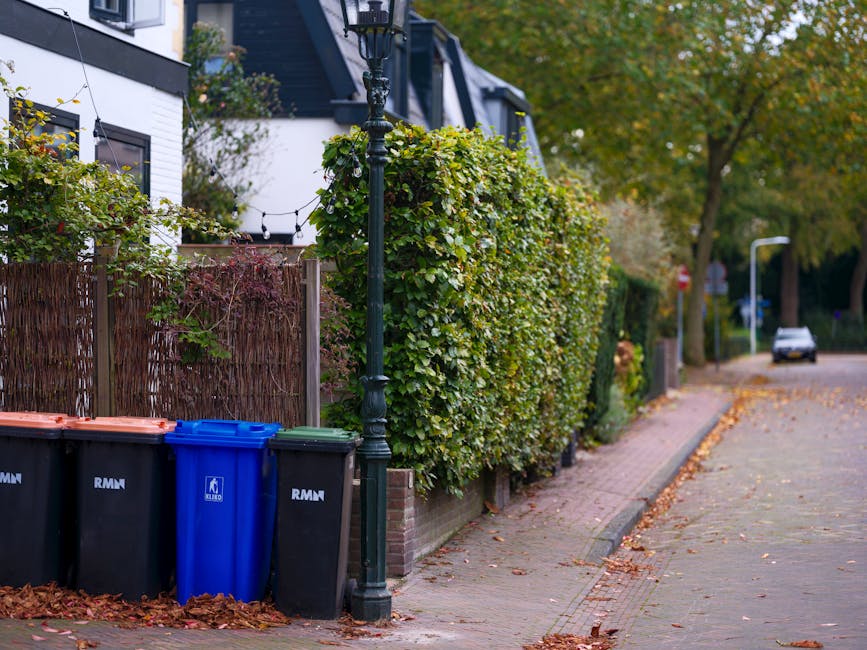
What to know about Bromley Council garden waste rules
If you live in Bromley and your garden seems to generate a small mountain of grass cuttings, hedge trimmings, and leaf fall every time you tidy up, the council's garden waste rules can feel surprisingly important. Miss one detail and suddenly a simple clear-up becomes a missed collection, an overflowing bin, or a trip to the tip that could have been avoided. This guide explains what to know about Bromley Council garden waste rules in plain English, so you can stay compliant, avoid hassle, and choose the most practical option for your garden.
We'll cover how the system typically works, what usually goes in and out of garden waste collections, where people get caught out, and when it makes sense to use a professional service such as garden maintenance, garden clearance, or even recycling and sustainability support to keep things tidy. Truth be told, a lot of frustration comes from not knowing the small print.
One quick note before we get into it: council arrangements can change, and some details depend on your property type or local service updates. So use this as a practical guide, then double-check the latest Bromley Council guidance before putting anything out for collection.
Practical takeaway: if your garden waste is clean, green, and properly presented, you'll usually have an easier time. The real problems start when soil, rubble, plastic bags, or general rubbish get mixed in.
Table of Contents
- Why Bromley Council garden waste rules matter
- How Bromley Council garden waste collection works
- Key benefits and practical advantages
- Who this is for and when it makes sense
- Step-by-step guidance
- Expert tips for better results
- Common mistakes to avoid
- Tools, resources and recommendations
- Law, compliance, standards, and best practice
- Options, methods, and comparison
- Case study or real-world example
- Practical checklist
- Conclusion
- Frequently asked questions
Why Bromley Council garden waste rules matter
Garden waste seems harmless enough, doesn't it? Grass, twigs, leaves, and pruning offcuts feel "natural", so people assume any old bag will do. But councils separate garden waste from household rubbish for a reason: it needs to be handled differently, and contamination can make collection and recycling more difficult.
In practice, Bromley Council garden waste rules matter because they help you avoid rejected collections, unnecessary complaints, and messy bins left sitting out on the pavement. They also help keep a routine garden tidy-up from turning into a full-blown weekend project. If you've ever stood there at 7am with damp hedge trimmings in a broken bag while the rest of the street is moving on with life, you'll know the feeling.
There's also a broader benefit. When garden waste is managed properly, it is much easier to transport, process, and recycle where suitable. That supports a cleaner local environment and reduces avoidable landfill use. For homeowners, landlords, and anyone with regular outdoor maintenance, the rules are less about bureaucracy and more about keeping the whole system working smoothly.
If you need a bigger reset rather than just routine collection prep, a service like services overview can help you understand the range of outdoor work that sits alongside waste management, from regular upkeep to more involved garden jobs.
How Bromley Council garden waste collection works
Although the exact arrangements can vary, council garden waste schemes in London usually follow the same basic logic: you subscribe or request the service where needed, then present eligible garden waste in the approved container or format on the correct collection day.
That sounds simple enough. The catch is in the details.
Most schemes focus on clean green garden waste. That usually means things like grass cuttings, leaves, small twigs, plant trimmings, flowers, and similar organic garden material. The aim is for the bin or container to contain material that can be processed without extra sorting. Anything that slows down the process or causes contamination is typically a no-go.
For many households, the day-to-day routine looks something like this:
- Collect garden waste during your normal maintenance.
- Keep it separate from household rubbish.
- Remove soil, stones, pots, and plastics.
- Place acceptable material in the right container.
- Put the container out in time for collection.
There may also be limits on weight, container type, presentation, or the kind of waste accepted. That is why it helps to think of garden waste collection as a simple process with a few strict boundaries. Once you know the boundaries, it becomes easy. Well, easier.
If your garden is especially overgrown, you may find that one-off help is more practical than trying to work around collection rules every week. In that case, garden clearance can be the more realistic option, particularly after pruning, seasonal cutbacks, or a long stretch without maintenance.
What is usually accepted
- Grass cuttings
- Leaves and small loose plant matter
- Flowers and weeds
- Hedge trimmings
- Small branches and light pruning waste
What is commonly refused
- Soil and turf in bulk
- Rubble, bricks, concrete, or stones
- Plastic plant pots, bags, and garden packaging
- General household rubbish
- Large timber, fencing, or treated wood
That last point trips people up a lot. A pile of mixed waste may look "garden related", but councils usually treat mixed loads very differently from pure green waste.
Key benefits and practical advantages
Following Bromley Council garden waste rules properly is not just about avoiding a telling-off. There are some very real practical advantages.
1. Fewer collection problems. If your bin is prepared properly, collection is smoother and you're less likely to miss a pickup because something was contaminated or overfilled.
2. A tidier garden routine. Knowing where clippings and cuttings should go makes garden maintenance feel more manageable. You cut, you clear, you dispose. Nice and simple.
3. Better planning for bigger jobs. If you know the council's limits, you can decide when a small tidy-up is enough and when a bigger job needs extra support from a professional team.
4. Less mess around the property. Garden waste left in piles can become soggy, heavy, and unpleasant. A wet heap of leaves under a fence is never as charming as it sounds.
5. Better use of time. Instead of doing multiple small trips to clear waste, you can plan around your collection or schedule a one-off clear-up at the right time.
In practical terms, many homeowners combine regular upkeep with services like lawn mowing or hedge trimming so the volume of waste stays manageable in the first place. That is often the less stressful route, especially during busy growing seasons.
Who this is for and when it makes sense
This guide is useful if you are a homeowner, tenant, landlord, or property manager dealing with outdoor waste in Bromley. It is especially relevant if you have a small urban garden, a shared outdoor area, or a larger plot that produces a lot of clippings in spring and autumn.
You'll probably benefit most from understanding the rules if:
- You regularly mow, prune, or tidy your garden yourself
- You are trying to avoid paying for unnecessary disposal
- You have limited storage space for bins or bags
- You are not sure whether certain waste counts as garden waste or bulky waste
- You need a quick and compliant way to clear a garden before a move, sale, or tenancy change
It also makes sense if you only garden occasionally. In that case, it is easy to forget what belongs where. A couple of weeks of growth after rain, and suddenly there's more waste than expected. London weather has a way of doing that, annoyingly.
If you have a larger redesign in mind, rather than just disposal, it may be worth considering landscape gardening or landscaping so waste handling is built into the project from the start.
Step-by-step guidance
Here's a practical way to approach Bromley Council garden waste rules without overthinking it.
Step 1: Separate garden waste as you work
Do not mix clippings with household rubbish, packaging, broken tools, or general clutter. Keep a dedicated pile or container for green waste. It saves time later and prevents contamination.
Step 2: Check the accepted material
Before collection day, sort through what you have. A quick second look usually saves a headache. Remove stones, plastic ties, plant labels, and anything woody or bulky that may not be accepted in the same way as soft green waste.
Step 3: Reduce volume where possible
Let grass dry a little before bagging if appropriate, shake soil from roots, and cut long branches down to manageable sizes if that helps the system you are using. This is one of those boring steps that pays off immediately.
Step 4: Use the approved container or presentation method
Whether it's a council garden waste bin, a specific bag, or another approved format, follow the local instructions carefully. Overfilled containers are a classic reason for missed collections. The lid should close properly. If it cannot, that is usually a sign to wait until next time or arrange another disposal method.
Step 5: Put it out on time
Miss the timing and the whole thing becomes a waiting game. Put the waste out as instructed, and keep the area clear around it so collection crews can access it easily.
Step 6: Deal with non-eligible items separately
Anything that is not accepted should be disposed of through the correct route. If you are clearing a lot of mixed material, a professional garden clearance service can be a lot less painful than trying to split everything yourself.
Simple enough on paper. In real life, a Saturday morning hedge cut can turn into a small logistics exercise. That's gardening for you.
Expert tips for better results
A few habits make Bromley Council garden waste rules much easier to live with.
- Trim little and often. Smaller, regular maintenance jobs create less waste than one huge cutback every few months.
- Keep a waste caddy or corner. A small dedicated area in the garden stops green waste drifting across paths and patios.
- Use dry days wisely. Wet clippings get heavy fast and can make containers messy. If you can, leave them to dry before disposal.
- Think in layers. When clearing leaves or grass, layer drier waste with heavier material rather than cramming it down. It helps with fit and airflow.
- Match the job to the disposal method. Light seasonal tidying and a full site clearance are not the same thing. Do not try to force a big job into a small bin if that is clearly not going to work.
A useful rule of thumb: if you are repeatedly struggling to fit waste into the allowed container, the issue may not be the bin. It may be the timing of the garden work itself. That's when a more regular upkeep routine, such as garden maintenance, starts to make a lot more sense.
Expert summary: The best approach is usually not "how do I get rid of this mess?" but "how do I stop the mess building up in the first place?" That shift saves time, effort, and a fair bit of frustration.
Common mistakes to avoid
Most problems with garden waste are avoidable. The tricky bit is that the mistakes are usually small and obvious only after the fact.
Mixing garden waste with general waste
This is the big one. If the collection team finds mixed rubbish, the load may be rejected. Even a few plastic items can spoil an otherwise acceptable bin.
Adding soil, rubble, or heavy inert material
Garden waste is not the same as construction waste. Soil, broken paving, and stones are often treated separately. If you are doing any hard landscaping, plan for a different disposal route. A project involving decking services or structural changes can generate waste that is simply outside normal green waste rules.
Overfilling containers
People often do this after a burst of pruning. The result? A lid that will not close and a collection that does not happen. Not ideal, and not very charming either.
Forgetting seasonal surges
Spring growth and autumn leaf fall can produce much more waste than people expect. If you only garden occasionally, those peaks can catch you out.
Leaving waste in awkward places
Bins and bags need to be accessible. If collection crews cannot safely or easily reach them, you may be left waiting another cycle.
Not checking for plant disease or special waste concerns
Some plant material may need different handling depending on local guidance. If you are unsure, ask before mixing it in. It is a small pause now that can save a bigger problem later.
Tools, resources and recommendations
You do not need a full professional toolkit to follow garden waste rules, but a few basics help a lot.
- Rake and leaf grabber: Useful for autumn debris and lighter clean-ups.
- Bypass pruners and loppers: Help keep cuttings small and manageable.
- Sturdy garden sacks or bins: Better than weak bags that split on the way out.
- Wheelbarrow or trug: Saves repeated lifting on larger gardens.
- Gloves: A simple win, really. Thorny branches are not to be trusted.
For homeowners who want a broader tidy-up approach, it can help to pair waste management with services that reduce future build-up. For example, lawn mowing reduces grass accumulation, while tree lopping and removal can deal with awkward overgrowth that keeps dropping debris all over the place.
If you care about what happens after collection, it is sensible to look at a provider's recycling approach and handling practices. You can also review practical business details such as pricing and quotes, payment and security, and insurance and safety before booking any larger garden job.
Law, compliance, standards, and best practice
Garden waste handling sits within normal local authority waste arrangements, and the main thing to understand is that councils set the practical rules for collection, sorting, and presentation. If you are using the council service, compliance is mostly about following those local instructions exactly rather than improvising. Tempting as improvisation may be, it usually goes wrong.
From a best-practice perspective, the safest approach is to keep garden waste clean, separate, and easy to process. That means no contamination with household rubbish, packaging, chemicals, or building materials. It also means storing waste sensibly so it does not become a nuisance to neighbours or create slip hazards on paths.
If you are a landlord, managing agent, or someone responsible for a property with shared outdoor areas, the practical duty is a bit broader. You want the space to stay presentable, safe, and manageable. Regular upkeep, sensible bin use, and a clear plan for bigger clearances all help. For some properties, a routine service arrangement can be less risky than relying on occasional do-it-yourself clear-outs.
Where work involves branches, taller hedges, or awkward access, safety becomes part of the picture too. A provider with clear operating policies, such as health and safety policy details and transparent complaints procedure information, gives you a better sense of how seriously they handle the work. Small thing, perhaps. But it matters.
Options, methods, and comparison
There is more than one way to handle garden waste in Bromley. The best option depends on how much waste you have, how often you generate it, and whether the job is a routine tidy-up or a bigger one-off clear.
| Method | Best for | Pros | Watch-outs |
|---|---|---|---|
| Council garden waste collection | Regular, clean green waste | Convenient, familiar, good for routine maintenance | Must follow local rules carefully; limited by container and collection schedule |
| Home composting | Leaves, grass, small trimmings | Low-cost, eco-friendly, useful for many gardens | Needs space, patience, and the right balance of material |
| One-off garden clearance | Overgrown, neglected, or heavily pruned gardens | Fast, practical for large volumes, handles mixed site tidying better | Needs planning and possibly separate disposal of non-green waste |
| Regular maintenance schedule | Gardens that grow quickly or are frequently used | Prevents waste build-up and keeps jobs smaller | Requires consistency; not ideal if you only want a once-in-a-while tidy |
There is no one "best" answer. A small front garden may be perfect for council collection and occasional composting. A larger back garden with shrubs, hedges, and seasonal growth may be better served by a maintenance plan plus periodic clearance. You can see how the answer changes with the garden itself.
Case study or real-world example
A typical Bromley household might notice the problem first after a rainy spring weekend. The lawn has grown faster than expected, the hedge is starting to bow into the path, and the beds are full of soft green cuttings. At first glance, it seems like a quick tidy-up. But once the pruning starts, the waste pile grows: clippings, a few small branches, some dead leaves, and then a bag of old pots and broken ties someone meant to keep but forgot about.
That is where the rules start to matter. The garden waste itself can usually be dealt with neatly if it stays separate and clean. The mixed items, on the other hand, need a different approach. If the household tries to put everything out together, the collection may be rejected. If they split it properly, the garden waste can go through the right route, while the mixed extras are handled separately.
In this sort of situation, many people decide that a straightforward maintenance visit would have prevented the issue in the first place. A modest cutback, lawn trim, and hedge tidy every few weeks keeps the volume down and avoids the "how did it get this bad?" moment. It happens to the best of us, honestly.
The real lesson is simple: the more regularly you maintain the garden, the less likely you are to break the rules accidentally because you are overwhelmed by volume.
Practical checklist
Use this checklist before any council garden waste collection or garden clear-out.
- Is the waste actually green garden waste and not mixed rubbish?
- Have you removed plastic, pots, twine, and non-organic items?
- Have you kept out soil, rubble, and other heavy material where restricted?
- Is the container closed properly and not overloaded?
- Is the waste accessible for collection?
- Do you know whether your current load is suitable for council collection or needs a different disposal method?
- Would a routine upkeep service reduce the amount you need to dispose of next time?
If you can tick those boxes, you are usually in a much stronger position. The whole process becomes calmer. Less guessing, fewer surprises.
And if the job has grown beyond a simple tidy-up, you can always look at the broader support available through the company's about us information or make direct use of the contact us page when you are ready to discuss the job. No pressure, just a sensible next step.
Conclusion
What to know about Bromley Council garden waste rules really comes down to a few practical habits: keep green waste separate, avoid contamination, use the right container or collection method, and plan ahead for seasonal surges. Once those pieces are in place, the system is far less annoying than people expect.
For many households, a mix of regular maintenance and occasional professional support is the easiest route. It keeps the garden under control, reduces the risk of rejected collections, and stops little jobs from becoming unexpectedly big ones. That alone can make a huge difference, especially when life is already busy.
So if you are standing in the garden looking at a pile of clippings and wondering what to do next, take a breath. Sort the waste, keep it clean, and choose the disposal route that fits the job. Simple, steady, and a lot less stressful.
Get a free quote today and see how much you can save.
Frequently Asked Questions
What counts as garden waste under Bromley Council rules?
Typically, garden waste means clean organic material such as grass cuttings, hedge trimmings, leaves, weeds, flowers, and small branches. The key point is that it should be free from household rubbish and other contamination.
Can I put soil in my garden waste bin?
Usually not in bulk. Soil is commonly treated differently from green garden waste, so it is best to check the local rules before adding it. A small amount attached to roots may be tolerated in some cases, but that is not the same as disposing of soil itself.
Are plastic plant pots allowed in garden waste collections?
No, plastic pots, ties, and packaging are normally excluded. These should be separated and disposed of through the correct waste stream, not mixed into green waste.
What happens if my garden waste bin is overfilled?
An overfilled bin may be left uncollected or treated as non-compliant. The lid usually needs to close properly, so if it is packed too tightly, it is better to wait for the next collection or reduce the contents.
Can I add hedge trimmings and branches together?
Yes, in many cases hedge trimmings and small branches are acceptable if they are clean and presented correctly. Very bulky woody material may need a different disposal option, especially if there is a lot of it.
Is home composting better than council collection?
It depends on your garden and how much waste you produce. Composting is great for many soft green materials if you have the space and patience. Council collection is often more convenient for households that want a simple regular disposal method.
How do I know whether I need garden clearance instead?
If the garden is heavily overgrown, contains mixed waste, or needs a large one-off tidy-up, garden clearance is often the better option. It is more suitable when routine bin collection is not enough.
Can I put weeds and lawn cuttings in the same container?
Usually yes, as long as the material is clean and acceptable under the collection rules. The main thing is to keep it free of general rubbish, soil lumps, and anything non-organic that could cause a problem.
What is the easiest way to stay compliant?
Keep a dedicated pile or bin for green waste, sort out non-eligible items immediately, and avoid overfilling the container. That simple habit prevents most issues people run into.
Do I need a professional for garden waste problems?
Not always. For small, regular jobs, council collection may be enough. But if the garden has built up over time, or you need help with pruning, lawn care, or a bigger tidy-up, a professional service can save time and reduce stress.
Can regular garden maintenance reduce waste problems?
Yes, definitely. Regular maintenance keeps growth under control, reduces the amount of waste produced at once, and makes it much easier to follow collection rules without rushing.
What should I do if I am unsure about a particular item?
When in doubt, keep it separate until you confirm how it should be handled. That small pause is much safer than mixing it into the wrong container and risking a rejected collection.